ServicesEnergy Efficient Windows
Energy Efficient Windows in Seal Beach
Old single-pane glass and failed seals let afternoon heat pour into your home. We fit dual-pane, low-E windows with the coating chosen wall by wall, so rooms stay cooler, floors fade less and the frames ask almost nothing of you for years. We measure and quote at your home for free.
What Makes a Window Efficient
Every certified window carries an NFRC sticker with two numbers worth reading. The first, U-factor, measures how fast heat passes through the entire unit, counting the frame as well as the glass. The second, solar heat gain coefficient (SHGC), is the fraction of the sun's heat that gets through the glass into the room. On both, a smaller number means better performance, and California's Title 24 energy code sets a ceiling that any replacement window has to come in under.
Those numbers come from physical parts you can point to. A low-E coating is a microscopically thin metal oxide film on one face of the glass that reflects infrared heat while letting visible light through. Argon gas between the panes slows heat transfer compared with plain air. A warm-edge spacer keeps the outer rim of the glass from turning into a cold band, and a multi-chamber vinyl frame interrupts the heat path that an old aluminum frame conducts with almost no resistance.
We look at efficient windows as a purchase you pay off over decades. Spending a little more for a better glass package on a west-facing wall can come back through lower cooling use and less sun damage to floors and furniture. With 30 years of window installation experience, authorized Crystal Pacific Windows installer status and a bonded and insured crew, we can point out where the upgrade earns its cost and where a standard package is enough.
What Your Upgrade Includes
- Glass matched to each exposure
- We check which walls take direct afternoon sun and which stay shaded. West and south openings usually get a lower-SHGC low-E coating, while shaded sides can use a package that admits more light.
- Argon fill and warm-edge spacers
- Each insulated unit is sealed with argon between the panes and a warm-edge spacer around the perimeter. That combination cuts heat transfer and reduces the cold edge where condensation tends to form.
- Multi-chamber vinyl frames
- Vinyl frames hold up to salt air without the pitting and corrosion aluminum shows near the coast. They never need painting, which removes a recurring cost from the life of the window.
- Air sealing at the opening
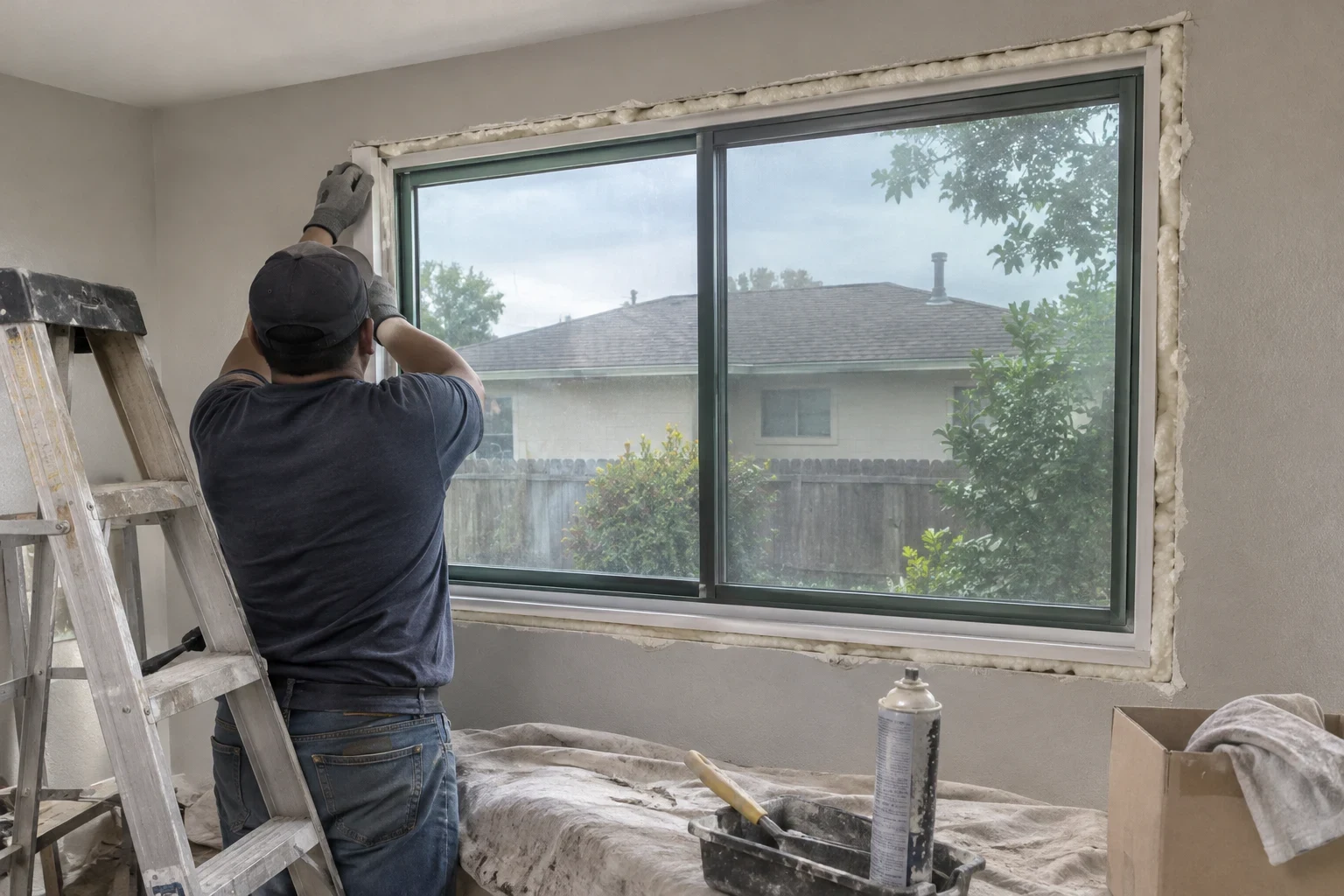
- A good unit still leaks if the gap around it does not get sealed. We fill the space between frame and rough opening with low-expansion foam and seal the exterior so drafts stop at the wall, not at the glass.
- Code-compliant labeling and permits
- We leave NFRC labels on until the inspection is complete and handle the permit where your city requires one, so the job documents its Title 24 compliance.
- Removal and cleanup
- Old sashes, frames and glass are hauled away, and we vacuum the sills and work areas before we leave.
Signs Your Windows Are Wasting Energy
Cloudy glass inside the unit
Moisture or a milky film trapped between two panes means the edge seal has failed. The argon escapes through that break, and the unit ends up insulating barely better than a single sheet of glass.
Single-pane aluminum frames
Aluminum conducts heat many times faster than vinyl. Original metal-framed windows pull heat in during summer and leak it out in winter straight through the frame.
Rooms that overheat in the afternoon
A bedroom or living room that turns warm by mid-afternoon usually has clear, uncoated glass facing the sun. Low-E glass with the right SHGC can bring that room in line with the rest of the house.
Faded floors and furniture
UV light through plain glass bleaches wood floors, rugs and fabric. Low-E coatings block most of it.
Drafts and rattling sashes
Worn weatherstripping and warped tracks let air slip around the sash. You can feel it on a breezy day, and so can your heating and cooling system.
What Moves the Price
Your total comes down to the openings in your home and the glass package each one gets. We price every window as its own line, so you can weigh a higher-performing coating against the years of lower cooling load it buys. If you already hold a written estimate from another window company, bring it to the visit and we will compare it line by line.
Opening count and glass area
Each added window adds a frame, an insulated glass unit and labor. Large picture windows and arched or custom shapes take more material and shop time than standard rectangles.
Glass package
A lower-SHGC low-E coating, tempered glass where code calls for it near doors or tubs, and obscure glass for bathrooms each change the cost of a given window.
Retrofit or full-frame install
A retrofit sets the new unit inside the existing frame and goes faster. A full-frame install strips the opening to the studs, which costs more but lets us fix rot or a failed seal. Our window retrofitting page covers the tradeoffs.
Access and wall condition
Second-story openings, narrow side yards and damaged framing all add labor. If we find framing problems, we show them to you before work begins.
How the Job Runs
- 1
In-home measurement
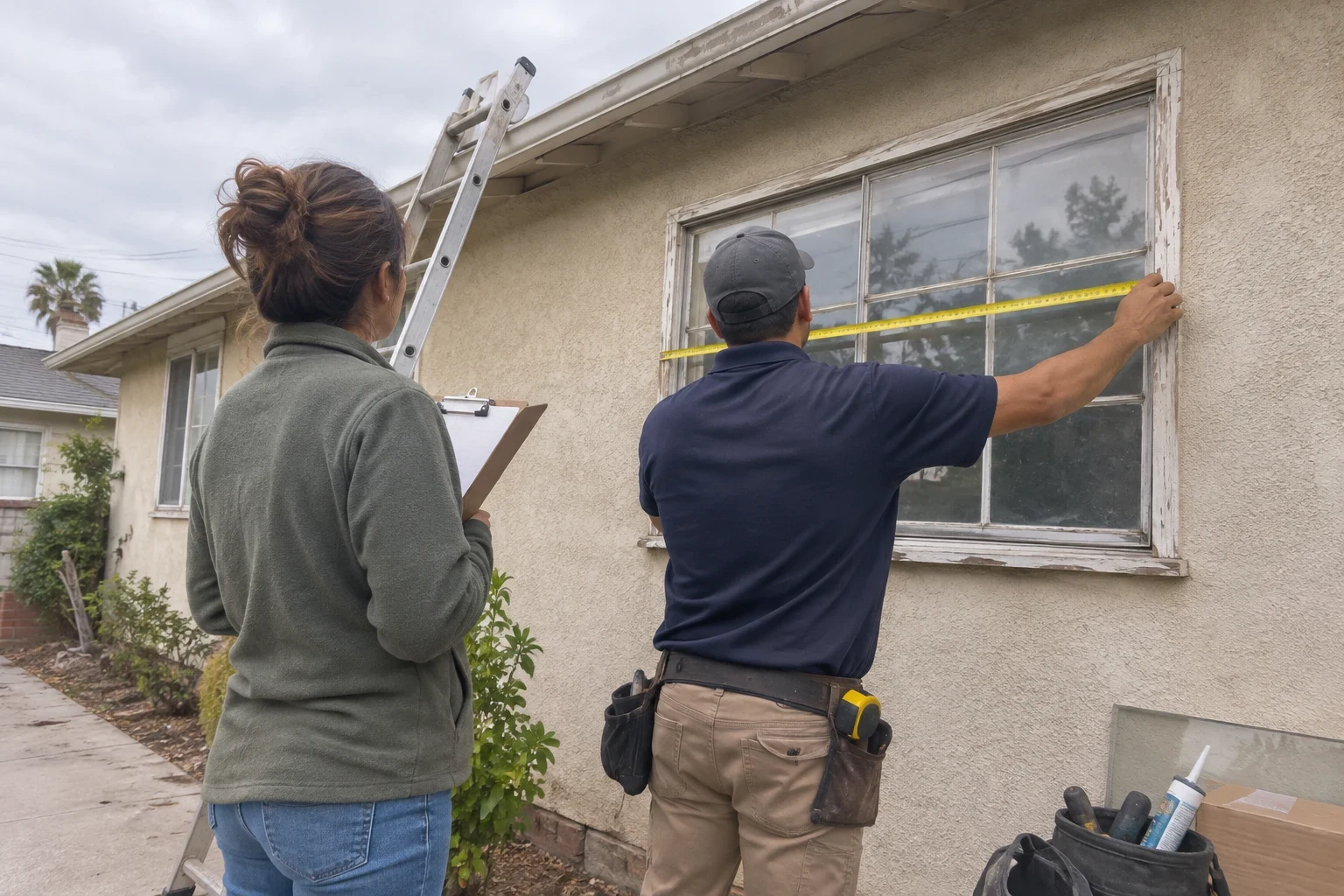
We measure each opening, record the frame type and wall construction, and note which sides of your home take direct sun. If you would rather phase the work, we tell you which windows to do first.
- 2
Written quote by glass package
Every window appears on its own line with size, frame style and glass package, so you can see where the efficiency money goes. There is no sales pressure and no obligation.
- 3
Ordering custom units
Your windows are built to the measurements we took. We review the order details with you before it is placed.
- 4
Installation day
Our crew lays down floor and furniture protection, pulls the old units, then sets, levels and shims each new frame. Openings are foamed and sealed, and trim is finished on both sides. A typical house takes one to two days, with the window count setting the pace.
- 5
Walk-through
Together we open and lock every sash, look over the NFRC labels and go over how to keep the tracks and weep holes clear of grit.
Energy Efficient Windows: Common Questions
Do I need triple-pane glass near the coast?
Usually not. In a mild coastal climate, a well-chosen dual-pane, low-E, argon-filled unit captures most of the benefit. Triple-pane adds weight and cost that rarely pays back here, though it can help with street noise. We will tell you plainly if it makes sense for a specific wall.
How much will my energy bills drop?
It depends on what you are replacing, your home's sun exposure and how much you run air conditioning or heat. Replacing single-pane aluminum windows makes the biggest difference. We would rather explain the ratings honestly than promise a number we cannot measure in advance.
What do U-factor and SHGC mean for my home?
U-factor tells you how well the window insulates in both seasons. SHGC tells you how much solar heat comes through the glass, which matters most on sunny walls. We show you both numbers for each window on your quote.
Will vinyl frames hold up to salt air?
Vinyl does not rust, pit or need repainting, which is why it lasts well near the ocean. Rinsing the frames and tracks a few times a year keeps salt and grit from building up in the hardware.
Do efficient windows need a permit?
Many cities require a permit for window replacement, and Title 24 sets the efficiency the new units must meet. We handle the permit where one is required and leave the labels on for the inspector.
See What Each Window Could Save
We will measure your openings, check the sun on each wall and give you a written quote by glass package. The visit is free, with no obligation.